Why You Need a Professional Arborist for Tree Care: Examine Their Range of Expertise
Using a professional arborist is crucial for effective tree care. Their specific expertise permits precise evaluations of tree well-being, pest management, and ideal cutting practices. Arborists also consider environmental factors, tailoring care plans that ensure the long-term survival and security of the trees. Understanding the full range of services they offer will significantly affect the condition of your landscape. Examining their professional services shows how essential their role is in keeping your green space flourishing.
What Does an Arborist Do
While some might think tree maintenance is easy, understanding the role of an arborist reveals a profession that is significantly broader than basic maintenance. Professional arborists are expert technicians who are dedicated to tree vitality and risk management. Their expertise includes diagnosing tree diseases, knowing how to control pests, and offering correct trimming methods to ensure healthy maturation.
They also consider environmental conditions that can affect tree health, such as soil quality and surrounding vegetation. They frequently perform hazard evaluations, especially in urban areas where trees may pose hazards to properties and people. Equipped with knowledge of tree biology and local regulations, arborists are fundamentally important in advancing eco-friendly yard maintenance. Using sophisticated equipment and methods, they help keep up the attractive look and environmental harmony of green spaces. Consequently, the arborist's role is essential for the sustained well-being and endurance of trees.
The Value of Arborist Inspections
When an expert arborist evaluates your trees, the benefits extend far beyond simple visual inspections. A thorough tree assessment includes assessing the total vitality, physical soundness, and any hazards the tree might pose. Arborists utilize specialized tools and techniques to identify issues such as disease, pest infestations, and physical frailties that may not be visible to the untrained eye.
In addition, specialized inspections give vital understanding of what every tree requires, providing personalized treatment that promotes long-term health. Taking this preventative measure helps in preventing future problems, lessening the possibility of high-cost extraction or property harm. In addition, accurate assessments enhance the security of the surrounding environment, as arborists can offer expert suggestions for maintenance or intervention. Overall, funding a certified tree evaluation improves the lifespan and health of trees, supporting a thriving ecosystem.
Reliable and Productive Methods for Pruning Trees
Effective trimming is crucial for keeping trees healthy and appearance. Certified trimmers utilize specialized methods to make certain cuts are executed without risk and productively, minimizing damage to the tree. Knowing these practices can vastly increase the longevity and vigor of trees in every environment.
The Value of Correct Trimming
Effective tree pruning is critically necessary in preserving the vitality and visual appeal of trees. Appropriate cutting practices help remove unhealthy or decaying limbs, enabling increased ventilation and light access, which is crucial for the overall vitality of the tree. Furthermore, careful trimming can enhance the tree's structure, minimizing the chance of harm during storms. Visually speaking, expertly trimmed trees contribute to landscape beauty, providing a harmonious appearance in residential and commercial settings (Florence Arborist). Additionally, good cutting practices fosters vigorous growth and minimizes the likelihood of bug invasions. By relying on the knowledge of an arborist, tree owners can make certain their trees obtain the correct maintenance, ultimately promoting longevity and vitality in their plants
Methods for Secure Trimming
The right techniques for safe pruning are vital for optimizing tree vitality and ensuring the safety of both the tree and the person performing the work. Professionals highlight the value of utilizing sterile, precise equipment to perform exact trimming, which minimizes the chance of harm and harm to the tree. Proper pruning techniques include the triple-cut technique for larger branches, which avoids bark damage. It is equally essential to prune during the tree's dormant season to minimize stress. Arborists recommend removing less than a quarter of a tree’s foliage simultaneously to avoid shock. In addition, comprehending growth habits and refraining from making cuts near the base ensures the tree remains structurally sound and promotes healthy regrowth.
Tree Sickness Identification and Remedial Measures
Diagnosing tree diseases requires a keen eye and a methodical process, as each sickness can exhibit specific indicators. Professional arborists employ their skill to identify specific issues such as fungus-related diseases, bacterial diseases, and harmful pest activity. They start by inspecting foliage, bark, and roots, looking for discoloration, drooping, or unusual growth patterns that might indicate a problem
(Florence Arborist)Once a diagnosis is made, specialists advise on the best treatment plans suited precisely to the ailment. The care plan might encompass spraying helpful resource anti-fungal or anti-insect agents, using correct irrigation methods, or adjusting soil pH levels. Additionally, arborists often stress the necessity of preserving the tree's general well-being through adequate feeding and maintenance
Essential Nature of Tree Extraction and Stump Elimination

The extraction of trees and stumps is crucial for ensuring security in outdoor spaces, as compromised or hazardous trees can pose significant hazards. In addition, removing stumps can enhance the aesthetic appeal of the landscape while preventing potential pest infestations. Knowing these considerations emphasizes the value of contracting an expert tree professional for successful tree management.
Safety Risks Assessment
Performing a comprehensive safety evaluation is essential when considering tree removal and stump grinding. This evaluation identifies potential hazards, such as unstable limbs, proximity to structures, and buried service lines. Experts use their skill to establish the least risky procedure for taking down trees, securing the least amount of peril to property and individuals. Experts examine the health of the tree, nearby area, and climatic factors, all of which can influence safety during the removal process. Furthermore, stump grinding presents its own set of risks, including the risk of harm from equipment or debris. An extensive safety assessment mitigates these risks, leading to safer and more effective completion of tree care services. Engaging a professional arborist ensures strict adherence to all safety procedures.
Enhancing Your Landscape's Aesthetics
While maintaining a beautiful landscape improves curb appeal and value, the presence of dead or overgrown trees spoils the overall look. Removing trees is frequently essential for refreshing outdoor areas, which allows more sunlight to penetrate and healthier development of surrounding flora. On top of that, obtrusive stumps create visual noise and pose tripping hazards. Grinding stumps provides a solution, by efficiently getting rid of the residue of removed trees and restoring the landscape's uninterrupted look. Using the services of an arborist, clients can be certain that tree removal and stump grinding are completed in a safe and efficient manner. Such professional skill not only enhances visual appeal but also helps create a healthier setting for existing flora, ultimately leading to a more inviting and attractive outdoor space.
Keeping Pests Away
A welcoming outdoor area is easily ruined by the presence of dead or decaying trees, which often serve as breeding grounds for pests. Pest problems can cause considerable harm, not only to the trees themselves but also to structures and plants in the vicinity. An arborist is vital for spotting trees that pose a threat and determining the need for removal. In addition, stump grinding gets rid of potential pest homes left by uprooted trees, offering added protection to the landscape. Consistent inspections and proactive steps, such as tree removal and stump grinding, help maintain a healthy ecosystem, preventing costly infestations. Finally, an experienced arborist ensures that your outdoor areas stay lively and free of pests, protecting both the environment and the beauty of the area.
Expert Advice on Tree Placement and Landscape Design
Proper tree placement greatly boosts the beauty and the ecological health of an outdoor space. Arborists offer professional guidance on choosing trees that will flourish in particular settings, considering factors such as soil type, sunlight, and climate. They emphasize the importance of spacing, ensuring that trees have adequate room to grow without competing for resources.
In addition, arborists assess the overall design of a landscape, suggesting where to place trees so they fit well with existing plants and structures. This strategic positioning not only improves visual harmony but also encourages biodiversity by drawing in wildlife.
Furthermore, they advise on the alignment of trees to establish functional windbreaks and cooling shade, enhancing energy efficiency for adjacent structures. Utilizing their specialized knowledge, landowners can foster environments that are both beautiful and sustainable, ultimately leading to long-term satisfaction and environmental stewardship.
Regular Maintenance and Health Management for Tree Health
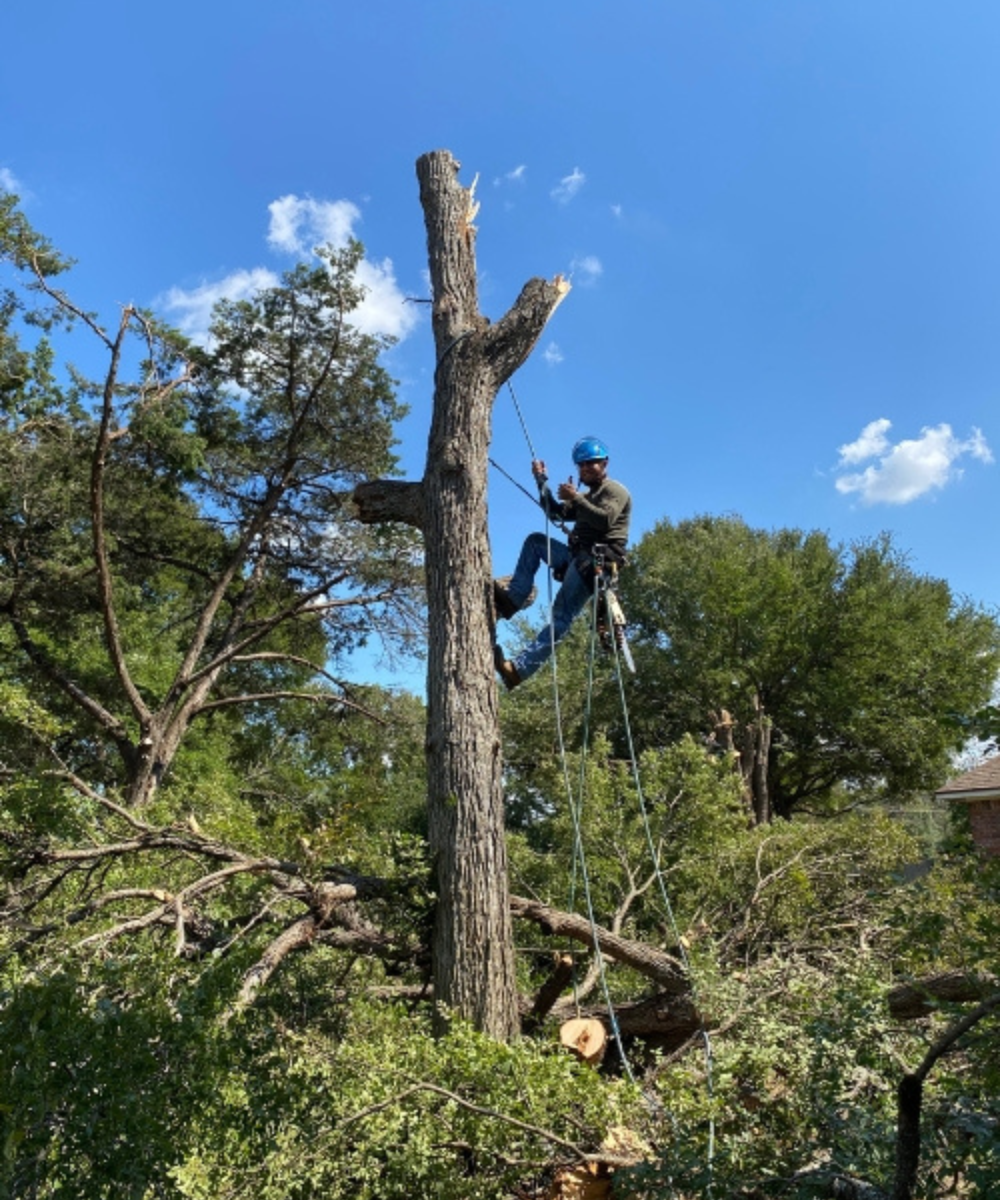
Regular upkeep is vital for ensuring the long-term health and energy of trees in all outdoor settings. Certified arborists deliver targeted services that include regular inspections, pruning, and pest management, all designed to encourage optimal development and preventing disease. Through checking the state of trees and the quality of the soil, they are able to spot looming problems prior to them worsening, reducing the cost and time for property owners.
Routine pruning helps maintain tree shape and eliminating diseased or decaying wood, facilitating improved airflow and sunlight reaching the ground. Specialists further share knowledge on correct irrigation methods and ground cover application strategies that boost the soil's richness. Additionally, they can recommend fertilization schedules designed for individual arboreal varieties, guaranteeing they absorb vital elements.
Commonly Asked Queries
How should I go about picking the right tree specialist for My Needs?
To choose the right arborist, it is important to check qualifications, evaluate their background, check client feedback, and ask for estimates. Moreover, detailing your exact needs confirms the hired specialist is consistent with what you personally expect and the required tree upkeep.
What Certifications Should I Look for in a Tree Specialist?
While picking a tree specialist, it is wise to find accreditations such as ISA (International Society of Arboriculture certification), TCIA (Tree Care Industry Association accreditation), and regional permits, guaranteeing the specialist has the essential training and proficiency.
How Often Should I Hire an Arborist for Tree Care?
An arborist should be hired at least once a year for standard upkeep, but additional appointments might be required for newly planted trees or trees facing particular health issues, guaranteeing optimal development and a long lifespan.
Can Arborists Help With Tree-Related Legal Issues?
Absolutely, tree specialists are able to help with legal matters pertaining to trees (Florence Arborist). They offer professional evaluations, necessary paperwork, and court testimony about the condition, risk level, and upkeep of trees, assisting in concluding conflicts concerning lot boundaries, legal accountability, and area rules effectively
What Should I Expect During an Initial Consultation With a Certified Tree Specialist?
At the start of the consultation, the arborist evaluates the condition of the tree, addresses your issues, offers suggestions, and details necessary work. The homeowner can expect a thorough evaluation coupled with professional guidance customized for their unique tree care requirements.